
This article is part of a Don’t Throw It Out! series on how to preserve fresh foods and avoid food waste.
The average American family throws away an estimated 25 percent of its grocery shopping dollars — as much as $2,000 a year. Fresh produce tops the list. Other food waste occurs by throwing out leftovers, discarding by-products such as bacon grease, and not using every scrap of food such as meat bones and the heels of a loaf of bread. Here are our ideas for reducing some of this food waste.
Bacon grease: Save money on butter and oil by reclaiming bacon grease for use in cooking. Sauté meats or vegetables (especially onions, potatoes and cooking greens), or use it to prepare fried or scrambled eggs.
Bread and crackers: Cut bread (including the ends) into cubes and dry them in the oven. Use dried bread cubes as well as stale crackers as croutons for salad or soup, or grind into fine crumbs and use to make the best meatballs or to top baked macaroni and cheese. If bread or crackers are going stale, grind into crumbs and promptly freeze.
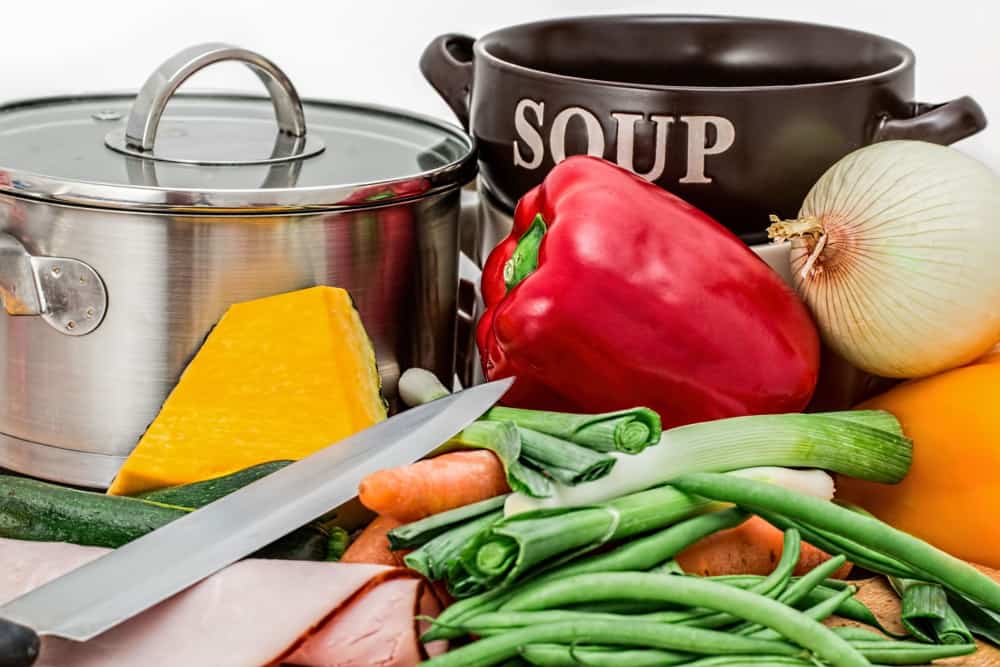
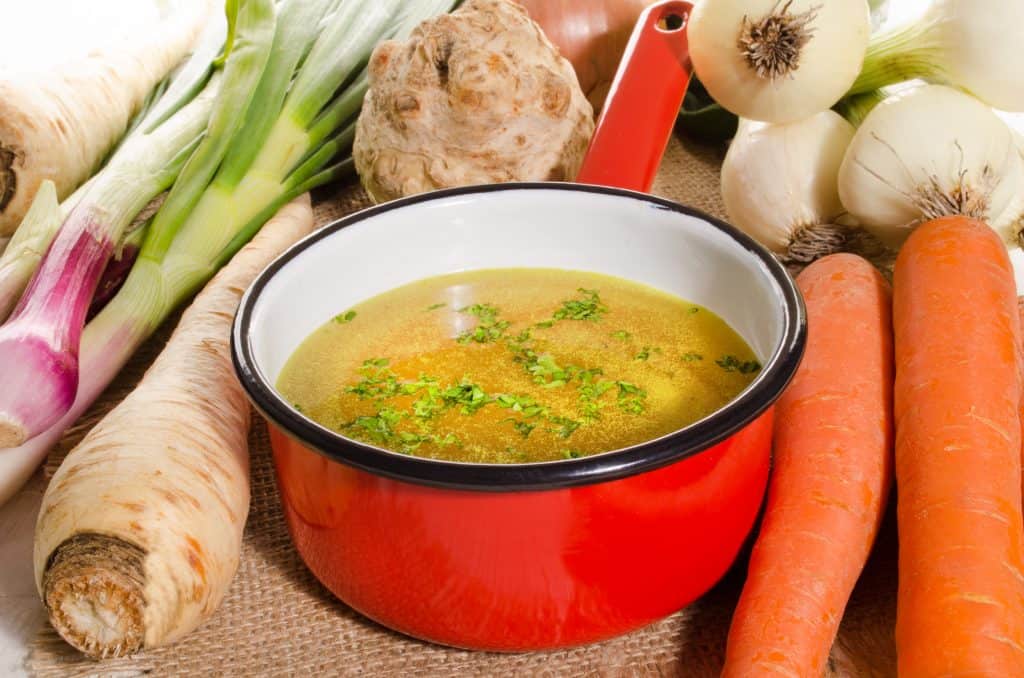
Bones: Don’t throw them away. Make your own soup stock, including beef stock, chicken stock, or white fish stock (other bones such duck, pork, lamb, salmon and shrimp can be used, but create broth with stronger flavor that may have limited use). Most vegetables — especially carrots, celery, onions, mushrooms and tomatoes — can also be used to add flavor to meat stock or to make vegetable stock. Avoid vegetables in the cabbage family, including broccoli and cauliflower. Vegetable trimmings make great stock, too, including peels from carrots and potatoes, celery tops and onion skins.
Condiments such as molasses, mustard, Worcestershire sauce, and ketchup can be used to make sauces and marinades. Make a barbecue sauce or marinade for steak or other grilled meats, poultry and fish. Use condiments as an ingredient to add zing to many recipes such as salad dressing, mayonnaise, meat stews and baked beans.
Jam and fruit preserves have a myriad of uses beside toast. Use jam to top pancakes, ice cream or pound cake. Make a jam tart, linzer torte or thumbprint cookies. Heat jam to liquefy it and then brush over a fresh fruit tart. Use jam as a basting sauce for chicken or fish before grilling, or ham before baking. Whirl jam into B and L’s Strawberry Smoothie.
Leftovers: Avoid most leftovers by watching portion sizes and preparing just enough for your family to comfortably eat at one meal. If you don’t plan to eat leftovers the next day for lunch, freeze promptly for use at another meal. Use leftover meat, poultry, seafood, vegetables, beans and grains such as rice to make another meal such as Beaker’s Vegetable Barley Soup or a stir-fry. Almost any leftover vegetable can be re-purposed in this way, including potatoes, onions and herbs.
Adopting just one or two of these practices can help you avoid food waste and save money on your grocery shopping dollars. As a bonus, you may discover new ways to enjoy foods your family already likes as well as save time during meal preparation.
If you liked this post, you may also like:
Preserve food with cheap canning equipment and free recipes
How to keep spring veggies fresh to avoid food waste
How to keep summer veggies fresh to avoid food waste
How to keep fall fruits and vegetables longer
How to store winter fruits and veggies
How to preserve and avoid wasting fresh fruit
For more information about food preservation methods and recipes, see The Home Preserving Bible by Carole Cancler.


I am always amazed at the amount of food Americans waste. On the rare occasions we eat out, almost always with a gift card, I am appalled at what other diners waste. We always take home what we don’t eat at the restaurant and use it for another meal or snack.
Don’t forget that fresh carrot tops, celery leaves and the flowers of many herbs can be used in salads, soups and as an edible garnish. Make garnishes part of your meals as they are healthy and use up bits and pieces that may otherwise be tossed. We love basil flowers and garlic flowers on our salads.
You can stir-fry radish leaves, both regular radishes and daikon radishes,
Broccoli stems that are peeled can also be stir fried or steamed, then pureed to make your own cream of broccoli soup.
We don’t eat enough spinach to make it worthwhile to grow, but when purchased frozen there is always bits and pieces left in the bag. I add water, hold it tightly closed, shake and add that to a jar for soup – the jar is refrigerated waiting other components.
Be sure to use the crumbs from the bread bag, the cereal box, the cracker box and even the crumb tray from the toaster. I save them all in a jar and use as crumbs when needed. The nut ‘dust’ from raw walnuts is added to cooked cereal.
I could probably add a bunch more hints, but you get the idea. Think outside the box and use up every morsel of your food. You’ll be richer and heathlier for it.
Carole, how do you keep bacon grease? Should it be refrigerated?
These are some great tips! My sister and I are trying recently to reduce our food waste and here are very good ideas for us to try. Thank you for this nice info, I’m definitely recommending your post!
We used to waste A LOT of food! We started vermicomposting. Our worms LOVE the food scraps and our garden LOVES the worm castings!
You should not eat bacon grease. It is not health for your body, it gives you inflammation and clog your arteries. You might spend more money on the long run with doctors.