As the crisp air of winter approaches, it’s crucial to ensure that your vehicle is prepared to tackle the challenges of the colder months. Winter car maintenance is not just about preventing breakdowns; it’s an essential step in safeguarding your investment while saving money in the long run.
From checking tire pressure and battery health to ensuring the right levels of antifreeze, these maintenance tasks can make a world of difference. But who says you have to break the bank to get your car winter-ready?
With cost-effective strategies like DIY maintenance tips, taking advantage of discounts on car services, and purchasing necessary supplies well in advance, you can keep your car running smoothly all season long without straining your wallet.
Join us as we delve into effective ways to prepare your car for winter, ensuring both safety and savings.
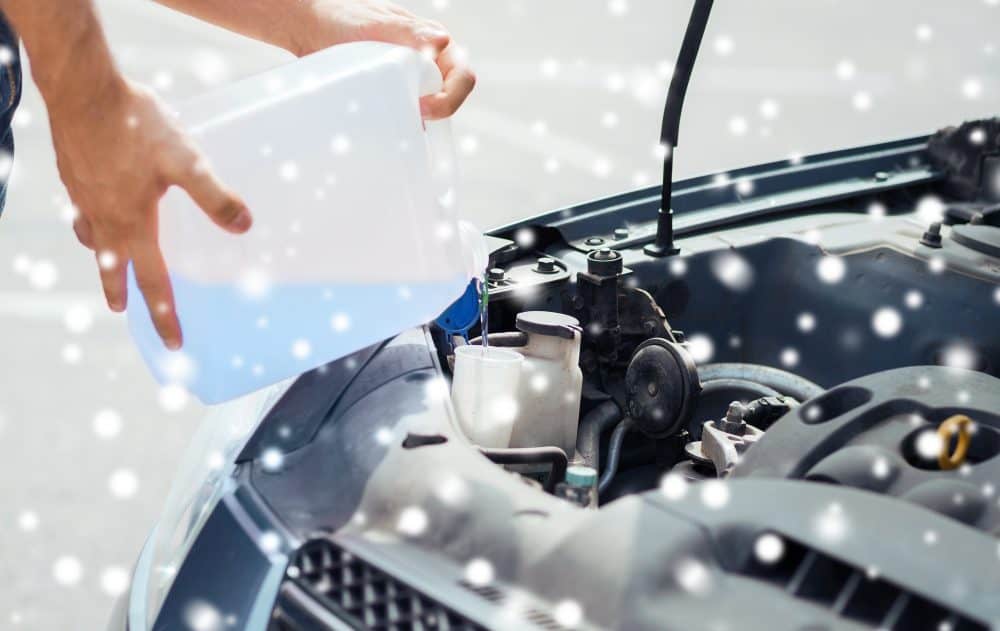
Photo: Deposit Photos
Spending some time preparing your car for winter cannot only help prevent a breakdown or accident but can also save you money on repair costs and gas. If you don’t know how to get your car ready for plummeting temperatures and icy roads, this preparing your car for winter checklist of 12 quick and easy fall and winter car maintenance tips. Some things you can do yourself, while others require a mechanic. All will save you money down the road.
How to prepare your car for winter
Cold weather car maintenance doesn’t have to be hard! As you can see, there are easy steps that you can take to ensure that your car is running the best way possible.
Learn how to take care of your car in winter to keep it running and reliable!
1. Get a tune-up.
If you’re due for a tune-up, schedule it for the fall. Cold winter weather magnifies existing problems such as pings, hard starts, sluggish performance and rough idling. Check your owner’s manual for the tune-up schedule and follow it.
2. Change the fluids.
Six fluids should be changed before the chilly winter temperatures come. These include brake system fluid, coolant, transmission fluid, power steering fluid, washer fluid, and suspension differential fluid.
Sediment and other impurities can find their way into brake fluid, so a routine change is a smart idea. Some manufacturers don’t suggest a transmission fluid change until the car has logged 100,000 miles. But ask your mechanic if a change might be a good idea, considering the age and wear of your car.
Use cold-weather washer fluid in the winter and keep the reservoir full. Keep a bottle in the trunk; it will come in handy when grimy snow or road salt smears your windshield. As a general rule of thumb, this should be done every two years, advises the nonprofit Car Care Council.
3. Change your oil and oil filters.
Okay, we know oil is another fluid, but it deserves its own category. Regular oil changes prevent overheating and grime buildup. Changing the oil also improves fuel efficiency and reduces the risk of engine failure.
It’s especially important to plan a pre-winter oil change because oil thickens and becomes sluggish in winter temperatures. Consider changing to “winter weight” oil if you live in a cold climate. Want to keep your oil warm in wintry climates? Consider purchasing an electric blanket for your car’s oil system.
Don’t think you can ignore oil changes if you only drive in town. Those starts and stops can be tougher on the engine than highway road trips. Also, be diligent about changing the oil filter at recommended intervals.
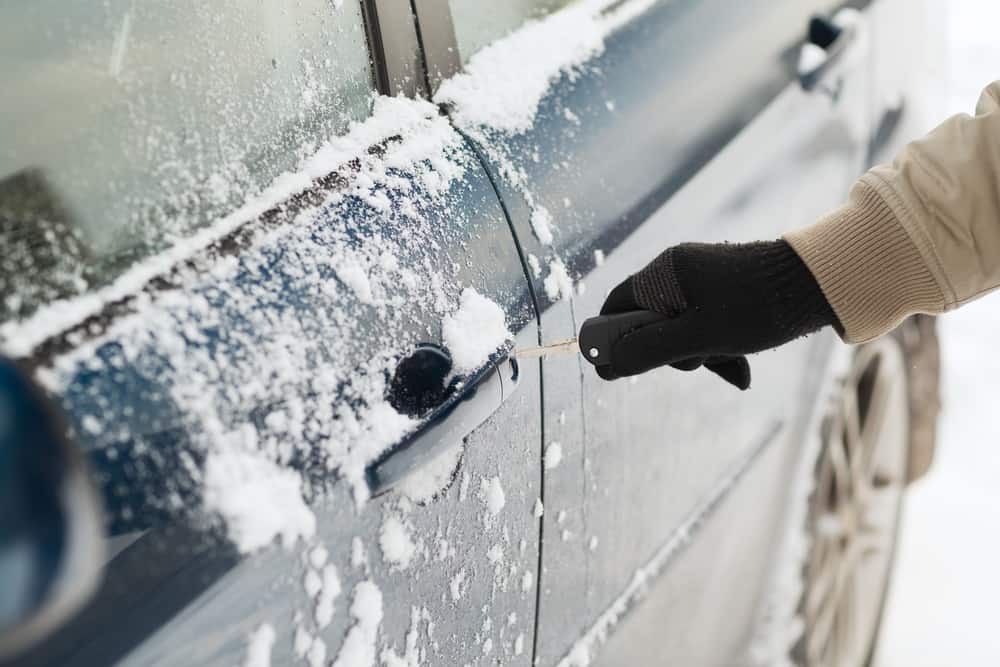
Photo: Deposit Photos
4. Check your brakes.
Brakes are your car’s most important safety system (after you, the driver). Before ice and snow put your brakes to the test, make sure to get your brakes and brake fluid checked. Replace brake pads if necessary, so you’ll be able to stop on a dime, even on slippery winter roads.
Tell your mechanic to check the emergency brake as well. Even if your brake pads are good, the cables or mechanical elements can seize or break, especially if they are unused.
5. Clean and check your car battery.
Cold weather is hard on batteries. Have the battery and charging system checked for optimum performance each fall. It’s especially important because so many computerized safety systems run off battery power.
You can use a tester to determine whether your battery is weak. If you aren’t comfortable doing this, go to an auto retailer like AutoZone or O’Reilly Auto Parts. They will test your battery for free.
In addition, you’ll want to clean your car battery. Check the battery posts for residue, then use a wire brush to remove it. Wipe down the battery case to remove grease and grime.
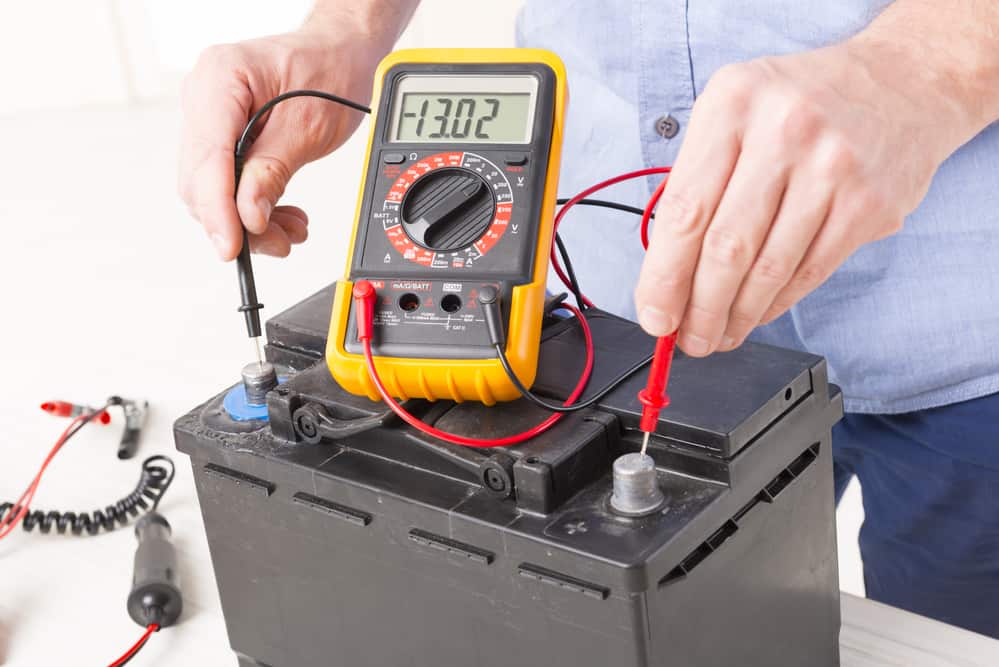
Photo: Deposit Photos
6. Make sure your heater and defroster still work.
Winter car care shouldn’t start the day temperatures plunge below freezing and you discover your heater isn’t doing its job. Check the heater and defroster in the fall, before you need them, to determine if they are working properly. If they’re not, get them fixed ASAP.
Check the heated seats, too, if you are lucky enough to have them. If you’re not, check out this 12-volt travel throw that plugs into the cigarette lighter to keep passengers toasty on cold car rides.
7. Replace windshield wiper blades.
As a general rule, wiper blades should be replaced every six months. If yours have been leaving patches on your windshield, replace them now before the cold weather stiffens the rubber even more. If you are in a climate where you use snow tires, consider using winter wiper blades, as well.
It’s also a good idea to check the rubber seals around your car’s doors and windows. If necessary, use a silicone treatment specially made for vehicles to reinvigorate them.
De-ice your windshield the same way the airlines do: Mix 2/3 rubbing alcohol and 1/3 water, then spray it from a spray bottle. Works like a charm. To prevent ice from forming on your wiper blades, use a rag to soak them with rubbing alcohol.
8. Test your headlights.
Shorter days in winter lead to more driving in the dark. Before Daylight Savings Time ends, check that your car’s exterior and interior lights and headlights work and are properly aimed. If headlights seem to be less powerful than they used to be, clean them. Use only a special cleaner that won’t scratch the finish, such as the 3M Headlight Restoration Kit.
9. Prep car tires for winter.
To prepare your car’s wheels for winter, plan to rotate the tires in the fall for even wear and a more comfortable ride. Or switch to winter tires, which offer better traction and help clear snow from the track.
In winter, tire pressure should be checked weekly. Always check tire pressure in the driveway, since driving as little as a mile to the supermarket can affect the reading. And don’t forget to test the spare, too, especially if you’ve been lucky and haven’t needed it for a while.
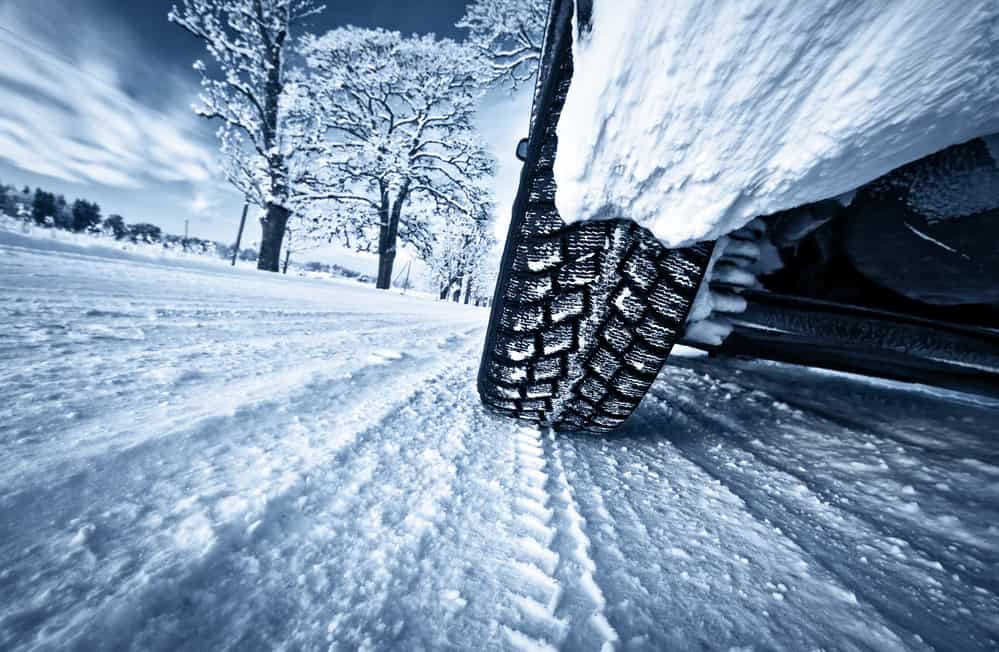
Photo: Deposit Photos
10. Check the exhaust system.
Check your car for carbon monoxide leaks, which can be especially dangerous during cold weather driving when windows are closed. A detector made for vehicles will alert you to problems.
11. Keep your gas tank full.
When winter comes, keep the gas tank at least half full at all times to reduce the chance of moisture forming in the gas lines and possibly freezing. Plus, you never know when a sudden snow squall will stretch your commute to hours on the road. You’ll be thankful not to have to worry about running out of gas as you try to get home safely.
12. Put together a winter emergency kit.
Many drivers have been surprised by a sudden storm or stranded for a few hours in a vehicle that slid off the icy roads into a secluded area. For these unexpected situations, put together an emergency kit to store in your car. You’ll want to include an ice scraper and snow brush, jumper cables or a jump starter that works on a variety of devices. Other items to carry are a flashlight, flares, blanket, extra warm clothes (including gloves and hat), candles/matches, bottled water, dry food snacks and medications.
Another must have for winter driving? A fully charged cell phone. Though you can’t leave it in your car, try never to leave home without one.
What should I keep in a winter emergency car kit?
A well-prepared winter emergency car kit is essential for ensuring safety and convenience when driving in unpredictable winter conditions. Here’s a comprehensive list of items to include:
- First Aid Kit: Accidents can happen, and having one ensures you’re equipped to handle minor injuries until professional help arrives.

- ESSENTIALS FOR EMERGENCIES: Be prepared for unexpected situations with this first aid kit featuring 150+ essential supplies. It includes a variety of bandages, gloves, povidone-iodine prep pads, metal tweezers, a tourniquet, and more.
- PORTABLE DESIGN: 6.4" x 4.9" x 2.7" compact size, 0.73 lbs lightweight, features a compact, travel-friendly design, Premium zippers and bonus carabiners increase convenience for outdoor activities. This small emergency kit can also be easily hung on your backpack
- SMART AREA CLASSIFICATION DESIGN: We've separated the whole emergency bag into small independent compartments, which is clear and concise, with each inner sleeve categorized for easy access, so that you can find the first aid item you need in case of emergency situation.

- Blankets: If you’re stranded in cold weather, they provide crucial warmth and comfort while you wait for assistance.
- Flashlight and Extra Batteries: Essential for visibility and signaling in the dark, especially during power outages or when inspecting your vehicle at night.

- PORTABLE SMALL SIZE: Our LED flashlight is portable small size, Length: 4.2in, Diameter: 1.2; Weight 128g, fits well in your hand or pocket. Compact to fit easily into your pocket wherever you go.
- SUPER BRIGHT & LONG-LASTING: Equipped by LED, the beam distance of flashlight is up to 492ft. Luminous flux is about 140 lumen in full brightness. Easily light up an entire room.
- SKID-PROOF DESIGN & WATER RESISTANT DESIGN: Impact and Water Resistant (IPX4), premium aluminum casing resists rust and corrosion.
- Non-Perishable Snacks and Water: Staying nourished and hydrated is vital if you’re stuck for an extended period. Pack energy bars, nuts, and bottled water.
- Ice Scraper and Snow Brush: Quickly clear ice and snow from your windshield and windows to maintain visibility and safety.

- DESIGNED FOR CAR PAINT PROTECTION : Our brush heads have a lighter color and finer texture due to the polishing process. Each brush head is split into softer strands that won't scratch or damage your car's paint. Our product is built to last. Use our brush for easy snow removal.
- ROBUST : The high-strength ABS shaft, PC bristles, and EVA cotton handle are carefully designed to withstand temperatures as low as -40°F and snowstorms. A great gift for anyone!
- SWEEP & SCRAPE : Clear your windshield of snow and ice with ease! Our product features integrated knuckles for breaking up ice and scraping it away, all without damaging your windshield. It quickly gets rid of loose snow on your windshield, roof, doors, hood, and mirrors.
- Jumper Cables: Cold weather can weaken car batteries. Jumper cables are essential for giving your battery a boost or helping others in need.
- Portable Phone Charger: Keeping your phone charged is crucial for contacting emergency services or loved ones if you encounter trouble.
- Reflective Triangle or Flares: These items alert other drivers to your presence if you’re stopped on the side of the road, reducing the risk of accidents.

- Retail packaged Emergency Road Flares. Each package contains 3, 15 Minute Spikeless Waxed Flares.
- Improved packaging for the same great product. The resealable bag provides 50 times more moisture protection! (Non Perchlorate Formula)
- CAUTION: ALL ORION FLARES PRODUCE HOT FLAME - Keep away from spilled fuel, fumes, or combustible materials.
- Multi-Tool: A versatile tool can assist with a variety of small repairs or adjustments that might be needed in an emergency.
- Warm Clothing: Extra layers, hats, and gloves are vital for maintaining body heat if you need to leave your vehicle.
- Shovel: A compact shovel can help you dig out of snow if your car gets stuck.
- Sand or Cat Litter: Providing traction under tires, sand or cat litter can help you get moving if you’re stuck on ice.
By stocking your car with these essentials, you ensure that you’re prepared to face winter’s challenges with safety and peace of mind.
If you liked this post, you may also like:
- Is it time to buy a car online?
- How to live without a car
- Save on car insurance, even if it’s your first time buying
- Comparing roadside assistance programs