
Many people want to start a vegetable garden to save money. It’s no wonder, since buying produce at the market can cost eight times more than growing your own.
To help you in your quest to grow vegetables, we’ve compiled the following list of vegetable garden tips and ideas to help you keep the initial cost as low as possible, and to successfully grow all the vegetables you want for your table. If you’re ready to create your vegetable garden, here are some ideas on how to do so on the cheap.
Learn how to start a vegetable garden for cheap! Don’t miss these vegetable garden ideas on a budget!
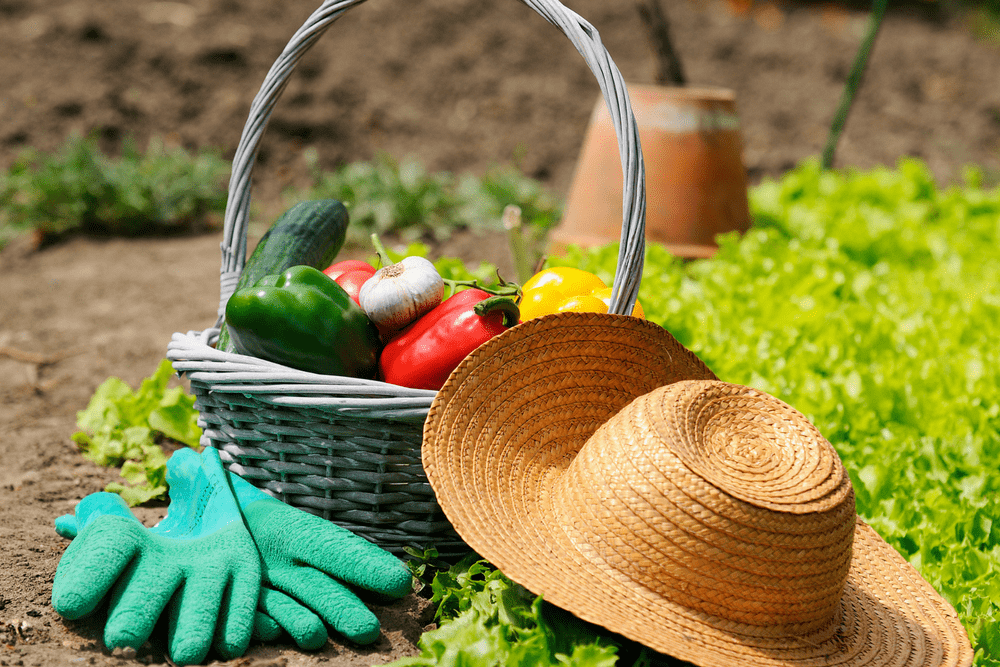
Cheap vegetable garden ideas
There are many other good reasons why you may want to grow some of your own produce in a vegetable garden. First, you can enjoy better tasting food by growing varieties of vegetables selected for flavor rather than shipping and storage, as so many market vegetables.
Also, many people find that their cooking habits change after growing their own vegetables. They prepare simpler and less expensive meals. Still others make tending the vegetable garden a family activity to help teach children about healthy eating. It gets the whole family outside and moving — pulling weeds is a workout!
Along with these benefits, there are also some challenges to consider before starting a vegetable garden.
Know that gardening requires routine work, including planting, weeding, watering, and harvesting.
In addition, growing vegetables requires a sunny location. Most vegetables require at least six hours of direct sunlight every day, and more sunlight is better.
Upfront costs can be high, especially if you need to buy fencing or gardening tools or build good growing soil. However, you can reap the rewards of your investment for years to come.
You also need to realize that not all gardeners are successful. Some report losing some or all of their crops, particularly in the first two years as they learn how to plant, tend and harvest their crops.
However, many new gardeners take the leap every year and learn that planting a vegetable garden is a very satisfying outdoor summer activity that can save them money and help them eat healthier.
Cheap vegetable gardening ideas
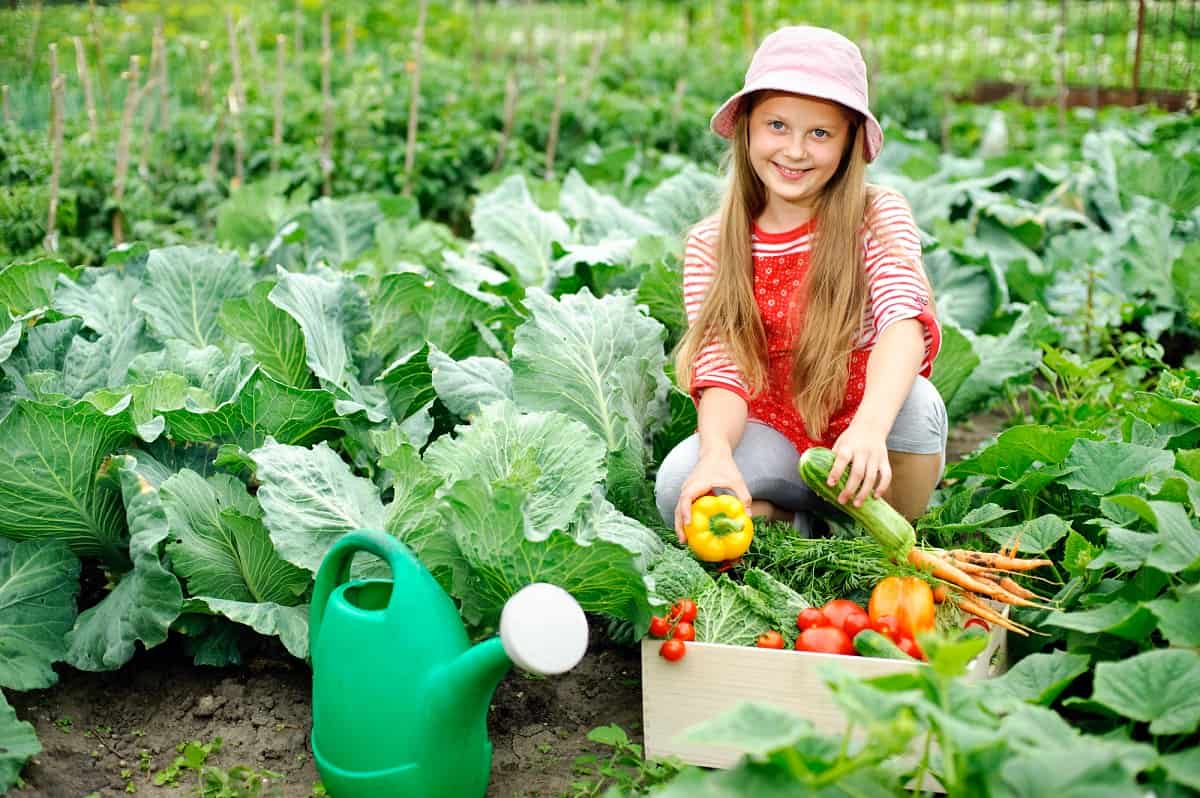
Photo: Deposit Photos
Make a garden plan
Decide which vegetables you will grow is one of the most important home gardening ideas. Make sure you can provide the optimal growing conditions including sun, water and space. Ask your neighbors which vegetables they’ve had success with and which don’t do well in your microclimate. That way you don’t waste time and money on plants that are less likely to grow.
Get free vegetable garden plans from Better Homes and Gardens.
Start small with container gardening
Especially if you live in the city, container gardening is easy and scalable. Instead of planting a garden in the ground, you plant your seeds or seedlings in a portable container, such as a ceramic planter. Cheap container vegetable gardening ideas like this make it simple.
Containers can be repurposed from almost anything. Cheap containers you can use to grow vegetables include milk jugs, two-liter soda bottles with the tops cut off, five-gallon plastic buckets, metal bins and plastic kiddie pools. You can even use a plastic bag of soil as an ad hoc planter. Another idea for cheap container vegetable gardening is to pick up ceramic and terra cotta flower pots for almost nothing at garage sales and thrift stores.

- Each raised metal garden bed size: 4×2×1ft ,7.14Cu
- Upgraded quality and structure: raised garden beds outdoor are made of Q195 galvanized metal sheet, double-layer anti-corrosion galvanizing and oval structure design, which is more beautiful, can withstand greater pressure at the interface, is not easy to loose, and the interface will not Deformed and can be reused for many years.
- Easy to set up, this galvanized stock tank only takes about 5 minutes to easily assemble and continue planting plants.


- Sturdy Fabric Material: Our Non-Woven fabric grow bags are crafted using high-strength weaving technology, which allows the planting bags to remain lightweight while possessing an impressive ability to bear weight.
- Excellent drainage: It provides water drainage through the soil to eliminate over-watering and allows your plants to breath, translating to healthier and more vigorous growth.
- Easy to Use: Grow bags prevent circling root structures. Heavy-duty handles and rugged material means you can move bags full of soil and plants with ease.

- SIZE: 47.24"L x 23.62"W x 11.81"H, this oval raised garden bed provides practical growing space for vegetables, flowers, herbs and other outdoor plants
- GALVANIZED STEEL: Made of galvanized steel for long-term outdoor use, this metal raised garden bed offers a sturdy structure for backyard, lawn and patio planting
- EDGE PROTECTION: Protective rubber strips along the top and curved panel edges help cover exposed metal edges, providing a more comfortable surface for planting and daily garden care

- 4X2X1FT GROWING SPACE: This oval raised garden bed measures 4 x 2 x 1 ft, providing 7+ cu. ft. of organized growing space for vegetables, herbs, flowers, strawberries and selected root crops. Its compact footprint fits naturally into backyards, lawns and small outdoor gardens while keeping plants easy to reach and maintain.
- STURDY 1MM GALVANIZED STEEL: Built with average 1mm galvanized steel and reinforced corrugated panels for added strength and structural stability. The durable metal construction helps the garden bed maintain its shape when filled with soil, while smooth rolled edges provide safer, more comfortable handling during assembly and everyday gardening.
- OPEN BOTTOM FOR NATURAL DRAINAGE: The bottomless design allows excess water to drain into the ground while giving plant roots access to the native soil below when placed over lawn or garden soil. This open growing environment supports healthy root development for tomatoes, peppers, herbs, flowers and other garden crops.

- Size: 60×29×11 in, 68 gallons of soil required.
- Built to Last: Our raised garden beds outdoor are made of 0.8mm galvanized metal sheet, double-layer anti-corrosion galvanizing and oval structure design. Compared with the ordinary rectangular elevated garden bed with a thickness of 0.3mm, it will be the right choice for you.
- Open Bottom: This galvanized planter is designed with an open base, which can effectively avoid water accumulation and decay, protect the roots of plants, and allow the roots to better absorb nutrients.

- Each raised metal garden bed size: 4×2×1ft , 7Cu
- Upgraded quality and structure: raised garden beds outdoor are made of Q195 galvanized metal sheet, double-layer anti-corrosion galvanizing and oval structure design, which is more beautiful, can withstand greater pressure at the interface, is not easy to loose, and the interface will not Deformed and can be reused for many years.
- Easy to set up, this galvanized stock tank only takes about 5 minutes to easily assemble and continue planting plants.

- IDEAL LAWN BAG: 30-gallon pop-up gardening container with sturdy handles and tear and mildew resistant vinyl-coated polyester construction; Works well for cleaning up lawn waste, toys from the yard, or laundry from the clothesline
- INNOVATIVE DESIGN: Folds to 3 inches for space-saving storage; Internal spring activates to pop open when garden bag is ready to be used; Sturdy handles provide comfortable carrying and unloading
- LONG-LASTING AND RELIABLE: Vinyl-coated polyester construction keeps leaf bag tear and mildew resistant through heavy use, makes cleaning easy, and provide excellent durability for lasting value; Fiskars lawn and garden tools are built to last

- SIZE: The plant bed measure is 23.6"L x 23.6"W x 11.8"H. This round planter box provide ample growing space to raise vegetables, flowers and plants.
- DURABLE MATERAL: Made of thick galvanized steel plate, wave structure and round shape, rust-proof and durable, can stay in contact with the soil for a long time and resist corrosion.
- OPEN BOTTOM: Open bottom of garden raised planting bed is good for drainage. The roots of plants can extend freely, so the plants would grow better.

- Raised Garden Bed - Add a new level of convenience to your gardening experience with the Galvanized Raised Garden Bed. Enjoy expanded yield and a more assembled garden layout with this garden accessory, each sized at 120 cm X 60 cm x 30 cm.
- Open Base Design - The open base design of the garden box let the plants' roots increase freely into the soil, gaining a broad nutrient system. Securing proper drainage, better ventilation, and healthier root systems for more lively plants and abundant harvests.
- Lightweight Galvanized Steel- The outdoor raised garden beds are made from lightweight galvanized steel, ensuring exceptional longevity and durability. Also, it prevents it from corrosion and rust, offering a long-lasting gardening solution. Moreover, the middle support strip provided exceptional strength to our lightweight Galvanized Raised Garden Bed.

- MOBILE GARDEN ON WHEELS — Two all-terrain wheels and an ergonomic handle let you roll a 200+ lb planted bed wherever sunlight goes. Move your garden across patio, balcony, or backyard in minutes.
- DRAINAGE FOR CONTAINER GROWING — Built-in drainage openings and bottom channels help excess water leave the planting area.
- 32" STANDING HEIGHT — Garden without kneeling or back strain. Five drainage holes and dual cross-channels prevent waterlogging, keeping roots healthy during heavy rain.
Begin with a few small containers or one large one. Make sure you choose a container that suits the vegetable you wish to plant in it.
If you’d rather plant in the ground, start small by digging a 10 foot by 10 foot or smaller garden plot, or adding a few vegetables and herbs to your existing landscape.
Here is some advice for container gardening with vegetables from Farmers Almanac.
Begin with easy-to-grow salad greens
Many first time vegetable gardeners start with salad greens and herbs. Plant in succession for a continuous crop, which means plant a few heads at a time, and start a new set every two to three weeks. You can make your own salad table with these instructions.
For herbs, start with easy to grow and versatile herbs such as parsley, rosemary, thyme or oregano. You’ll be amazed how you can save money when you don’t have to buy an entire expensive bunch of herbs just to use a few sprigs in a recipe.
To get started, visit these vegetable, fruit and herb gardening guides from the National Gardening Association.
Plant seeds, not seedlings
As you gain confidence, you can learn to plant seeds rather than seedlings. (See “How to start seeds indoors” below.) Seeds are a cheap way to create a garden as they cost much less than potted seedlings already grown in a nursery. While seed packets are inexpensive, your bill can still quickly add up, so it’s best to think through your choices. Make a list of what vegetables and flowers you most want to grow and then list secondary choices and compare prices.
Find seeds at your local nursery, or shop online for cheap seeds. Check several sites, as prices vary. When choosing between varieties, select seeds that match your climate zone. For instance, if you live in an area that has short summers, choose varieties with the fewest days from seeding to harvest.

- Vegetable seeds variety pack: Grow 35 varieties of leafy greens, root vegetables, tomatoes, peppers, beans, peas, squash, melons, and more. Includes 16,000+ vegetable seeds for planting outdoors in raised beds, garden rows, or containers.
- Heirloom vegetable seeds: All 35 varieties are non-GMO heirloom seeds that are also non-hybrid and open-pollinated. They support traditional gardening and seed saving. Use these garden seeds for planting vegetables in future growing seasons.
- 35 professional paper seed packets: Every variety comes separately packed and labeled, making this garden seed kit easy to organize, sow, and identify. Includes 35 plant markers for vegetable gardens, raised beds, rows, and containers.

- Gardening Kit: 55 Most Popular Vegetable Seeds Variety Pack NON GMO Heirloom Seeds LESS THAN $0.70 PER SEED VARIETY PACK 35,600+ seeds including: Artichoke, Arugula, Bean, Beet, Bok Choy, Broccoli, Brussel Sprouts, Cabbage, Carrot, Cauliflower, Celery, Collard, Corn, Cucumber, Curled Cress, Eggplant, Endive, Kale, Kohlrabi, Lettuce, Mache Corn Salad, Okra, Leek, Scallion, Onion Parsnip, Pea, Pepper , Pumpkin, Radish, Rapini, Spinach, Squash, Sunflower, Swiss Chard, Tomatoes, Turnip, Zucchini.
- Enhanced Gardening Experience: Our seeds for planting outdoor and indoor garden come in a waterproof resealable bag with 55 individual craft seed packets inside. Enjoy planting home garden with mini gardening supplies including leaf clipper, tweezers, seed dibber tool, weeding fork, and widger tool. Scan the QR codes on the seed packets to access online gardener basic growing guide and culinary book. Learn about vegetable gardening, discover everyday recipes to make the most of your harvest.
- Garden Success Assured: Whether you have an indoor hydroponic garden or an outdoor vegetable patch, our seeds are perfect for any setting. With a superior germination rate proven through various tests, enjoy fresh vegetables growing food all year round. Enjoy the satisfaction of growing seeds on your own garden, knowing that our high-quality seeds for planting vegetables guarantee abundant harvest and delicious meals for you and your family.

- Includes 30 Different Varieties! 30 Packs of Seeds!
- High Germination Rate within 7-14 days
- All Seeds are Heirloom, 100% Non-GMO (Non Genetically Engineered)

- ABUNDANT AUTUMN & WINTER HARVEST: Unlock a generous bounty of the finest autumn and winter vegetables from our carefully curated collection. Designed for fast results, effortless care, and high yields, this premium assortment allows you to plant new crops multiple times per season. Experience the joy of growing robust, cold-hardy varieties that thrive in shorter daylight hours and cooler temperatures.
- TOP-TIER AMERICAN SELECTION: Featuring 12 top-performing, non-GMO American seed varieties known for exceptional germination, strong adaptability, and robust resilience. These elite varieties grow quickly, require minimal complex agricultural effort, and show greater natural resistance to pests, making them ideal for both beginner and experienced gardeners seeking reliable, high-quality homegrown produce.
- NATURAL STRATIFICATION ADVANTAGE: Autumn planting offers the ultimate benefit of natural seed stratification. Crops develop far more actively by choosing optimal germination windows, successfully avoiding peak pest activity cycles. This ensures vigorous early growth and reliable yields even in unpredictable climates, making cold-season gardening remarkably productive and rewarding.

- Common Name and Scientific Name: Pepper(Capsicum Annuum),Tomato(Solanum lycopersicum),Lettuce(Lactuca sativa),Bean(Phaseolus vulgaris),Eggplant(Solanum melongena),Okra(Abelmoschus esculentus),Asparagus(Asparagus officinalis),Pumpkin(Cucurbita),Watermelon(Citrullus lanatus),Melon(Cucumis melo),Corn(Zea mays),Pea(Pisum sativum),Cabbage(Brassica oleracea),Carrot(Daucus carota subsp. Sativus),Celery(Apium graveolens),Garlic Chives(Allium tuberosum),Cilantro(Coriandrum sativum)
- Tips for Easy Germination: Soaking seeds in 95-105°F (35-40°C) warm water for 12 hours; for hard-coated seeds like cilantro and rosemary, extend soaking to 24 hours for improved sprouting. Or soaking those seeds in a wet paper towel until they get that gelatinous cover helps them sprout a little bit faster
- Extensive Variety & Abundant Quantity: This seed kit includes 37 popular heirloom varieties, covering vegetables and herbs, with over 15,000 seeds in total—perfect for satisfying all your gardening needs, from small home yard to large outdoor gardens

- Complete Garden Selection: Includes 32 premium heirloom seeds for planting vegetables and fruits; Features Contender Beans, Waltham Broccoli, Oregon Sugar Peas, Marglobe Tomatoes, Black Beauty Squash; Perfect veggie seeds for planting home garden
- Superior Germination Rate: Non GMO vegetable seeds tested at 95% germination; Includes comprehensive Garden Growing Guide with expert tips; Essential addition to your gardening seeds collection; Perfect for beginners and experienced gardeners alike
- Year-Round Food Production: Over 19,000 seeds vegetables for continuous harvesting; Packed in waterproof resealable mylar pouches for long-term storage; Ideal survival seeds and emergency food supply; Complete your prepper gear with food seeds

- COMPLETE VEGETABLE GARDEN VARIETY PACK – Grow a thriving home garden with 32 popular vegetable seeds including Bean, Beet, Bell Pepper, Broccoli, Brussels Sprout, Cabbage, Cantaloupe, Carrot, Cauliflower, Celery, Corn, Cucumber, Eggplant, Kale, Lettuce (3 types), Lima Bean, Okra, Onion, Pea, Parsnip, Pumpkin, Radish, Spinach, Sunflower, Swiss Chard, Tomato, Turnip, Watermelon, Zucchini. A diverse mix perfect for fresh meals, backyard gardens, and sustainable growing.
- PREMIUM HEIRLOOM SEEDS – Our carefully selected heirloom seeds are chosen for reliability, strong germination, and adaptability, making them ideal for beginner gardeners, experienced growers, homesteads, and small farms.
- GROW A SELF-SUFFICIENT GARDEN – Enjoy a wide range of vegetables from crisp greens and root crops to flavorful fruits and hearty garden staples. Perfect for fresh ingredients for salads, soups, and home-cooked meals straight from your garden. Each pack includes an easy-to-follow growing guide to ensure success for every gardener.

- USDA CERTIFIED ORGANIC VEGETABLES: Enjoy 100% clean, non-GMO heirloom crops grown from seed. Certified organic by Oregon Tilth, this open-pollinated variety pack ensures your home garden yields healthy, chemical-free organic vegetables directly to your table.
- 10 ESSENTIAL VEGETABLE VARIETIES: Elevate your home garden with a curated kit of popular kitchen staples: Genovese Basil, Cascadia Snap Pea, Di Cicco Broccoli, Bush Blue Lake 274 Bean, Jalapeño Pepper, Brandywine Pink Tomato, Gourmet Mix Lettuce, Marketmore Cucumber, Scarlet Nantes Carrot, and Cocozelle Zucchini.
- GERMINATION GUARANTEE: Never worry about dud seeds again. We sustainably store our vegetable seed packets in temperature- and humidity-controlled facilities to maximize freshness, ensuring robust sprouting and a thriving harvest. If you experience any issues, we promise to make it right.

- Gardening Kit: 50 Winter Vegetable Garden Seeds Variety Pack NON GMO Heirloom Seeds including: Arugula, Beet Detroit Dark Red, Bok Choy, Broccoli, Rapini, Brussel Sprouts, Cabbage, Carrot Imperator 58, Cauliflower, Celery, Chives, Collards, Cress, Mustard, Kale, Kohlrabi, Buttercrunch, Iceberg, Oakleaf Green, Romaine, Leek, Tokyo Long White Scallion, Walla Walla, Parsnip, Pea, Cherry Belle, Daikon White Stem, Spinach, Swiss Chard, Turnip.
- Enhanced Gardening Experience: Our seeds for planting outdoor and indoor gardens come in a waterproof resealable bag with 50 individual craft seed packets inside. Enjoy planting home garden with mini gardening supplies including leaf clipper, tweezers, seed dibber tool, weeding fork, and widger tool. Scan the QR codes on the seed packets to access online gardener basic growing guides and culinary books. Learn about vegetable gardening, discover everyday recipes to make the most of your harvest.
- Garden Success Assured: Whether you have an indoor hydroponic garden or an outdoor vegetable patch, our seeds are perfect for any setting. With a superior germination rate proven through various tests, enjoy fresh vegetables growing food all year round. Enjoy the satisfaction of growing seeds in your own garden, knowing that our high-quality seeds for planting vegetables guarantee an abundant harvest and delicious meals for you and your family.

- Each pack includes 15 varieties of heirloom vegetable seeds that are carefully selected for quality, ensuring a natural and sustainable gardening experience.
- Our seeds are 100% non-GMO, making them safe for your family, pets, and the environment, while promoting a healthier garden ecosystem.
- Grow a mix of 15 vegetable types including tomatoes, cucumbers, corn, peppers, lettuce, and more, allowing you to enjoy a diverse and nutritious harvest.
The easiest vegetables to start from seed are beets, carrots, cucumbers, green beans, greens (including kale, spinach, Swiss chard, and lettuces), pumpkin and winter squash, radishes, tomatoes, and zucchini or other summer squashes. Follow planting instructions on the seed packet. For a spring garden, you may need to start seeds indoors (see below). Other seeds can be planted directly in the ground.
To acquire seeds on the cheap, ask your friends and family if they have spare seeds, or if they want to share the cost of seeds with you. That’s two gardens for the price of one! Once your garden is established, save seeds from one year’s harvest to plant the next. That will save you money over purchasing seeds from the gardening center every year, and you can be generous and share with your gardening neighbors.
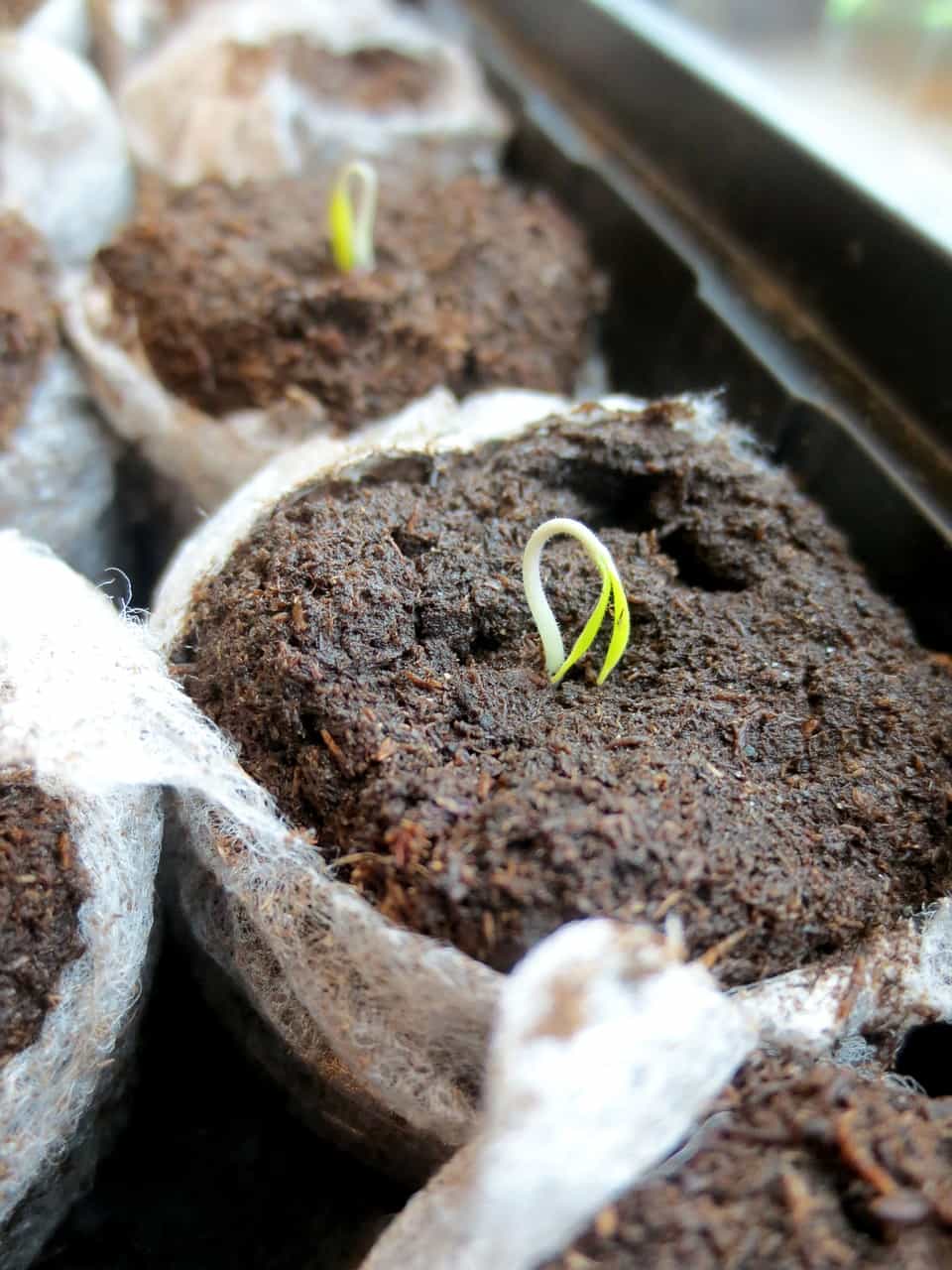
Photo: Deposit Photos
Grow vegetables your family eats
Start with vegetables that you are already buying and eating. Choosing to grow vegetables your family enjoys will give you the highest return over store-bought produce. Once you’re successful, try adding a new vegetable each year. You might be surprised that the home-grown version tastes better or that kids are more willing to try a food they picked from their back yard.
Water wisely
The best times to water your garden are early in the morning or later in the evening. Never water in the middle of the day when evaporation is higher; less water makes its way to your plants.
Another way to save money on your water bill is to capture rain water for use in your garden. You can buy a rain barrel at places like Home Depot or Walmart, but you can also make one for less money. Try these four DIY rain barrels.
Make your own compost from yard and food waste
You can be earth-friendly and good to your garden by taking up composting. You may need to purchase good soil to start your garden, but you should never need to buy compost or fertilizer once you’re making your own. You will need to invest in a good compost barrel to start, but that purchase will bring value, as you reuse rather than trash your food scraps and save money on your gardening bills.
If you want to acquire a compost bin on the cheap, look on your local neighborhood buy-and-sell or giveaway groups to see if anyone is ready to part with theirs.
Use cheap fencing
You might need to erect a fence to keep out critters such as deer, raccoons and rabbits — not to mention household pets and young children. For a cheap fence option, use inexpensive chicken wire attached to wood or metal stakes to protect your vegetables from being eaten by animals.
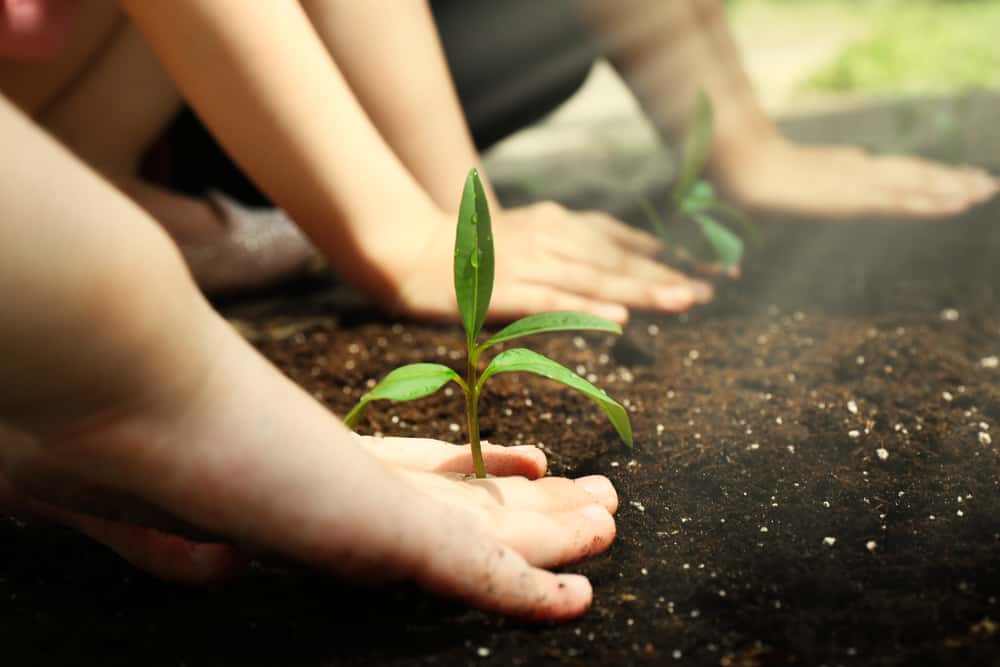
Photo: Deposit Photos
How to start seeds indoors
You can get a jump-start on your spring garden and save money by seeding veggies and flowers indoors. Essentially, you’ll start your garden early by growing seeds into seedlings in your house before transplanting them to your outdoor container or garden plot. If you can do this successfully, it’s the cheaper way to go because buying seedlings is much more expensive.
Here’s our step-by-step guide to starting your vegetable garden indoors:
- Find a container. You can plant seeds in just about any type of container, as long as it has drainage holes. You can use plant pots you saved from a prior season or cheap plastic containers from the grocery store that held produce items. You can use cheap containers to grow vegetables.
- Add soil. Fill each container with a light seed-starting soil mix that you’ve pre-moistened. Gently pat down the soil surface to make it even.
- Plant the seeds. Avoid seed mix-ups by planting each type of seed in a separate container. Sprinkle small seeds on the soil surface and cover with additional seed-starting mix in a layer the same thickness as each seed type. Light seeds require a very thin coating. Push larger seeds, such as squash, cucumber and pumpkin, below the soil surface to the same depth as the width of the seed and cover with soil.
- Label. Use a pencil to label craft sticks with the name of each plant and the date. Insert in the appropriate container.
- Moisten and cover. Mist the soil surface again with a spray bottle until it is thoroughly moistened. Cover the pots with a plastic lid, or use plastic wrap. Place the containers in a warm place.
- Maintain. Encourage seed sprouting by creating a humid environment. Keep the soil moist and the containers covered. Remove the lid or plastic when the seedlings emerge.
- Find the best light. Seedlings must receive adequate lighting. While a bright window may work, putting them under full-spectrum lighting is best. Such lighting can be found in tubes and bulbs. Place the light within two to three inches of the top of the plants.
- Water. Keep the young plants moist but not soggy. Too much moisture can lead to fungal pathogens that cause root rot, and too little water causes tender seedlings to quickly perish.
- Transplant. Once the seedlings have grown two sets of true leaves, they are ready to transplant outdoors in the garden, if the chance of frost has passed. When the weather is still too cold, pot up into containers and keep them indoors under lights. The plant should equal two-thirds of the plant/pot combination.
If you liked this article, you may also enjoy:
- How to save money with a rain garden
- Make the most of your garden’s harvest
- Conserve water, save money with a home garden xeriscape
- 5 easy, frugal steps to sustainable living
- Regrow your own green onions in your kitchen
- Great gifts under $25 for organic gardeners

Many people who need to “live on the cheap” live in apartments. You can grow food on a balcony or small patio, and even in Dollar Tree window boxes inside on your window ledges. I have grown small lettuces, green onions, basil, cherry tomatoes, and strawberries this way. I am getting into recycling my food scraps into compost using Bokashi buckets on my balcony.
In the Seattle area, Fred Meyer stores have an annual Saturday “Fuschia” sale where they will fill up your planters (even big ones–I bring the litter buckets I grow tomatoes and root veg in!) with FREE potting soil when you buy any plant; fuschias and strawberry plants are usually cheapest. I buy the strawberries. This gardening event is coming up, probably mid-April.
What great information! Thank you for sharing.