
The heating season is back in most of the country, and heating costs are expected to rise. Here’s what energy experts say you can do to save on utilities this winter. Most of these ideas won’t cost you anything, but they will save you money.
Bottom line: Know that there are ways to mitigate some of that energy use in winter and lower your utility costs every month.
We consulted several experts, and the tips they shared to save on winter bills are universal. Some you’ve heard – and maybe some are new to you. Find out how to lower your electric bill in winter with these easy tips.
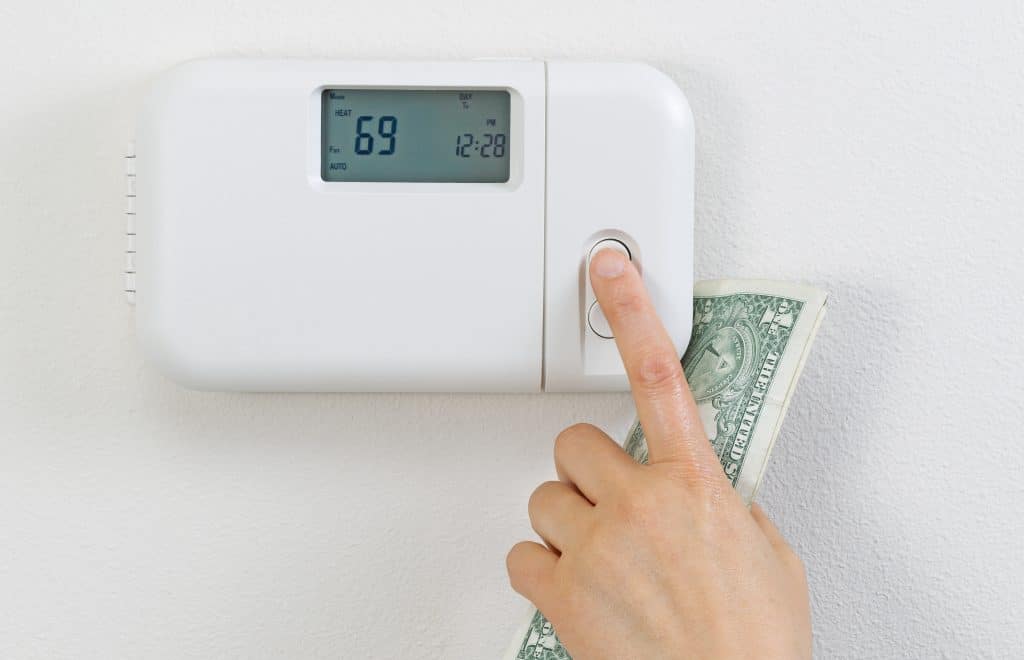
Winter energy saving tips – How to save on utilities
We’ve organized these tips for saving on winter utilities into sections that answer the most common questions. Within each section, we put the cheapest and easiest options first, so you can get started right away and lower your winter bills.
How do I set my thermostat to save money in the winter?
Lower thermostat settings at night and when no one is home. This is especially important when you go on vacation. Install a programmable thermostat to automatically adjust your indoor temperature settings.
Set your thermostat no higher than 68°F when at home and 60°F when away or sleeping.
How can I save electricity in winter?
Appliances and electronics make up about 20 percent of a typical household’s energy costs. Read our article on how to save money year-round by saving on electricity, and check out these tips that will help you save electricity in the winter.
Electric heating systems, like gas furnaces, will cost less if you set your thermostat lower, especially at night when you’re under warm blankets or when everyone is gone for the day. But don’t set it so low that it has to run constantly to catch up later.
Avoid using portable electric heaters, as they can consume a large amount of electricity in a short time.
Use the stovetop instead of the oven when you have a choice, or invest in a toaster oven for small jobs, such as reheating a slice of pizza. The crock-pot also is a great energy-saving device. If you do need to use the oven, be sure to capitalize on the heat it produces by opening doors to other rooms and encouraging the warm air to flow to them too.
Fill the clothes dryer before using it, but don’t overload it. Keep the lint screen in the clothes dryer clean.
Keep refrigerator/freezer coils free from lint and dust build-up.
Turn off lights and other appliances when not in use. Where it makes sense, turn off and unplug electronics that are not in use. This applies to computers, too. If it’s truly inconvenient to turn off your computer, at least turn off the screen.
Replace incandescent bulbs with LEDs or compact fluorescent bulbs, which use 75% less energy and last about 10 times longer. A CFL used four hours every day will save you $7 per year compared to a standard incandescent bulb.
Use one large light bulb instead of several small ones in areas that need bright light. Using lighting controls, such as dimmers, can help reduce energy use.
How can I keep my house warmer in winter?
Open the drapes on sunny winter days; keep them closed in summer. Insulated drapes will help even more.
Keep windows and exterior doors shut tight when they are supposed to be closed.
Check for open fireplace dampers to ensure cold air is being kept out of your home. Obviously, you’ll need to open them again when you use your fireplace; just remember to close them again after the coals are out.
Weatherization is a cost-effective way to reduce energy use and improve your home’s comfort. Up to 20 percent savings on heating bills can be achieved by caulking around windows and weather-stripping around doors. This is definitely a DIY project if you’re handy — and a fairly inexpensive one at that.
The same type of savings can be achieved on heating bills by upgrading from 3 inches to 12 inches of insulation.
You can also insulate accessible heating ducts that run through unheated areas such as a garage, and blanket your hot water heater.
(For more ideas and information about weatherization and insulation, check out our list of 14 home improvements that save on your heating bill.)
Proper maintenance of heating systems and appliances will also keep your house warmer and more efficient. Furnaces should be professionally inspected annually, and filters should be changed every 30 days during the winter months. Follow the manufacturer’s directions for cleaning electronic filters.
What is the most efficient temperature for a hot water heater?
Set your hot water heater temperature between 120 and 140 degrees. According to the Office of Energy Efficiency & Renewable Energy, for every 10ºF reduction in temperature, you can save from 3%–5% on your water heating costs. Don’t go too far, though; if you use a dishwasher, the hot water temperature should be at least 120 degrees (and no more than 150).
Speaking of dishwashers, if you have an Energy Star dishwasher, you’ll likely save hot water by using it each night rather than hand-washing dishes several times a day.
Repair water leaks on faucets and toilets. One drip per minute can waste up to 220 gallons of water per month, and you’ll literally be flushing money down the toilet. If it’s the hot water that is dripping, it will cost you even more.
For more information, see our list of 33 ways you can save water and reduce your water bill.
What other ways can I save on winter bills?
Choose energy-efficient appliances, and you’ll save in two ways: you’ll reduce your utility costs by using more efficient appliances, and you might also get a cash rebate on your purchase, making it even more affordable to replace an old and less-efficient one.
Before purchasing home improvement equipment and appliances, review available rebates on EnergyStar.gov to see if your purchase qualifies. That same website, EnergyStar.gov, also provides information about the various energy-saving appliances available and lots of other good money-saving tips.
Get an energy audit if your city offers them. Many municipal utilities offer free or low-cost energy audits. If so, take advantage of that service. You can also check with your local utility provider, which may have tips specific to your area.
What are the most popular tips on how to save on the electric bill in winter?
While the above tips will save on utilities, these are the most popular to keep in mind. If you’re wondering how to keep your electric bill down in winter, these tips can help.
- Seal Drafts: Use weatherstripping and caulking around windows and doors to keep warm air in and cold air out.
- Insulate Windows: Install thermal curtains or plastic film over windows to reduce heat loss.
- Programmable Thermostat: Lower the thermostat while sleeping or away (even by a few degrees) to cut costs.
- Zone Heating: Heat only the rooms you use with space heaters, and keep doors closed to contain warmth.
- Ceiling Fans: Reverse the direction to clockwise to push warm air back down.
- Maximize Sunlight: Open curtains during the day to let the sun heat your home, then close them at night to retain warmth.
- Upgrade Heating Systems: Service your furnace or boiler to ensure it runs efficiently.
- Energy-Efficient Bulbs: Replace incandescent bulbs with LEDs, which use less energy and generate less heat.
- Unplug Devices: Reduce phantom power usage by unplugging idle electronics or using power strips.
- Dress Warmly: Layer up with sweaters, socks, and blankets to stay cozy without relying on the thermostat.
If you liked this post, you may also like:


This is the only article I’ve read that says not to use portable heaters. Is this true if I’m a single person living in an apartment with electric baseboard heaters? Where do the figures come from to say it’s more expensive to use a space heater?
Thanks.