
Many people want to start a vegetable garden to save money. It’s no wonder, since buying produce at the market can cost eight times more than growing your own.
To help you in your quest to grow vegetables, we’ve compiled the following list of vegetable garden tips and ideas to help you keep the initial cost as low as possible, and to successfully grow all the vegetables you want for your table. If you’re ready to create your vegetable garden, here are some ideas on how to do so on the cheap.
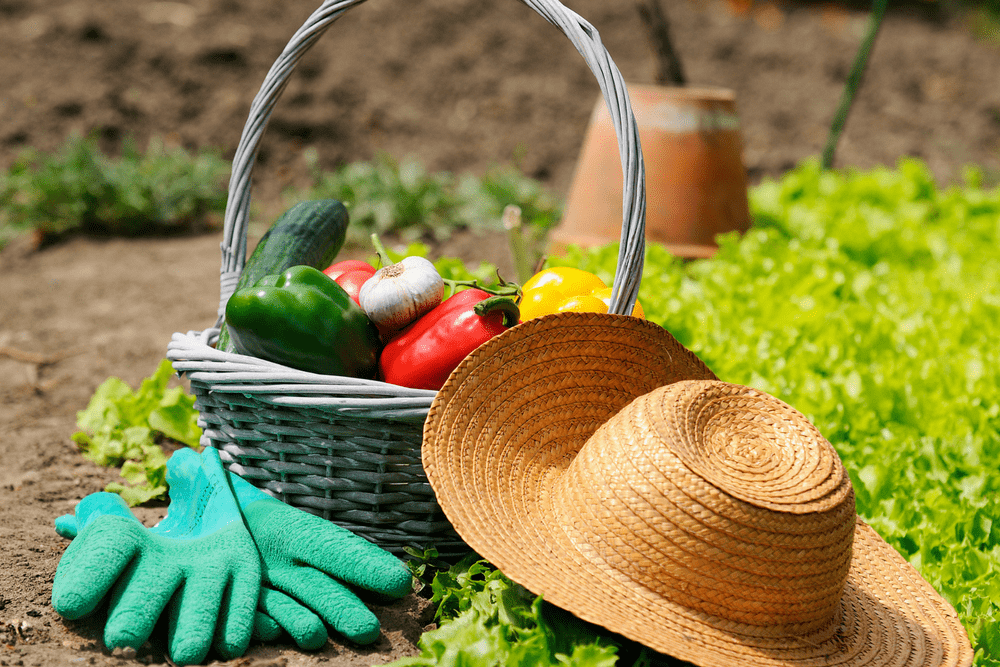
Gardening: Benefits and challenges
There are many other good reasons why you may want to grow some of your own produce in a vegetable garden. First, you can enjoy better tasting food by growing varieties of vegetables selected for flavor rather than shipping and storage, as so many market vegetables.
Also, many people find that their cooking habits change after growing their own vegetables. They prepare simpler and less expensive meals. Still others make tending the vegetable garden a family activity to help teach children about healthy eating. It gets the whole family outside and moving — pulling weeds is a workout!
Along with these benefits, there are also some challenges to consider before starting a vegetable garden.
Know that gardening requires routine work, including planting, weeding, watering, and harvesting.
In addition, growing vegetables requires a sunny location. Most vegetables require at least six hours of direct sunlight every day, and more sunlight is better.
Upfront costs can be high, especially if you need to buy fencing or gardening tools or build good growing soil. However, you can reap the rewards of your investment for years to come.
You also need to realize that not all gardeners are successful. Some report losing some or all of their crops, particularly in the first two years as they learn how to plant, tend and harvest their crops.
However, many new gardeners take the leap every year and learn that planting a vegetable garden is a very satisfying outdoor summer activity that can save them money and help them eat healthier.
Cheap vegetable gardening ideas

Make a garden plan
Decide which vegetables you will grow. Make sure you can provide the optimal growing conditions including sun, water and space. Ask your neighbors which vegetables they’ve had success with and which don’t do well in your microclimate. That way you don’t waste time and money on plants that are less likely to grow.
Get free vegetable garden plans from Better Homes and Gardens.
Start small with container gardening
Especially if you live in the city, container gardening is easy and scalable. Instead of planting a garden in the ground, you plant your seeds or seedlings in a portable container, such as a ceramic planter.
Containers can be repurposed from almost anything. Cheap containers you can use to grow vegetables include milk jugs, two-liter soda bottles with the tops cut off, five-gallon plastic buckets, metal bins and plastic kiddie pools. You can even use a plastic bag of soil as an ad hoc planter. Another idea for cheap container vegetable gardening is to pick up ceramic and terra cotta flower pots for almost nothing at garage sales and thrift stores.
Begin with a few small containers or one large one. Make sure you choose a container that suits the vegetable you wish to plant in it.
If you’d rather plant in the ground, start small by digging a 10 foot by 10 foot or smaller garden plot, or adding a few vegetables and herbs to your existing landscape.
Here is some advice for container gardening with vegetables from Farmers Almanac.
Begin with easy-to-grow salad greens
Many first time vegetable gardeners start with salad greens and herbs. Plant in succession for a continuous crop, which means plant a few heads at a time, and start a new set every two to three weeks. You can make your own salad table with these instructions.
For herbs, start with easy to grow and versatile herbs such as parsley, rosemary, thyme or oregano. You’ll be amazed how you can save money when you don’t have to buy an entire expensive bunch of herbs just to use a few sprigs in a recipe.
To get started, visit these vegetable, fruit and herb gardening guides from the National Gardening Association.
Plant seeds, not seedlings
As you gain confidence, you can learn to plant seeds rather than seedlings. (See “How to start seeds indoors” below.) Seeds are a cheap way to create a garden as they cost much less than potted seedlings already grown in a nursery. While seed packets are inexpensive, your bill can still quickly add up, so it’s best to think through your choices. Make a list of what vegetables and flowers you most want to grow and then list secondary choices and compare prices.
Find seeds at your local nursery, or shop online for cheap seeds. Check several sites, as prices vary. When choosing between varieties, select seeds that match your climate zone. For instance, if you live in an area that has short summers, choose varieties with the fewest days from seeding to harvest.
The easiest vegetables to start from seed are beets, carrots, cucumbers, green beans, greens (including kale, spinach, Swiss chard, and lettuces), pumpkin and winter squash, radishes, tomatoes, and zucchini or other summer squashes. Follow planting instructions on the seed packet. For a spring garden, you may need to start seeds indoors (see below). Other seeds can be planted directly in the ground.
To acquire seeds on the cheap, ask your friends and family if they have spare seeds, or if they want to share the cost of seeds with you. That’s two gardens for the price of one! Once your garden is established, save seeds from one year’s harvest to plant the next. That will save you money over purchasing seeds from the gardening center every year, and you can be generous and share with your gardening neighbors.
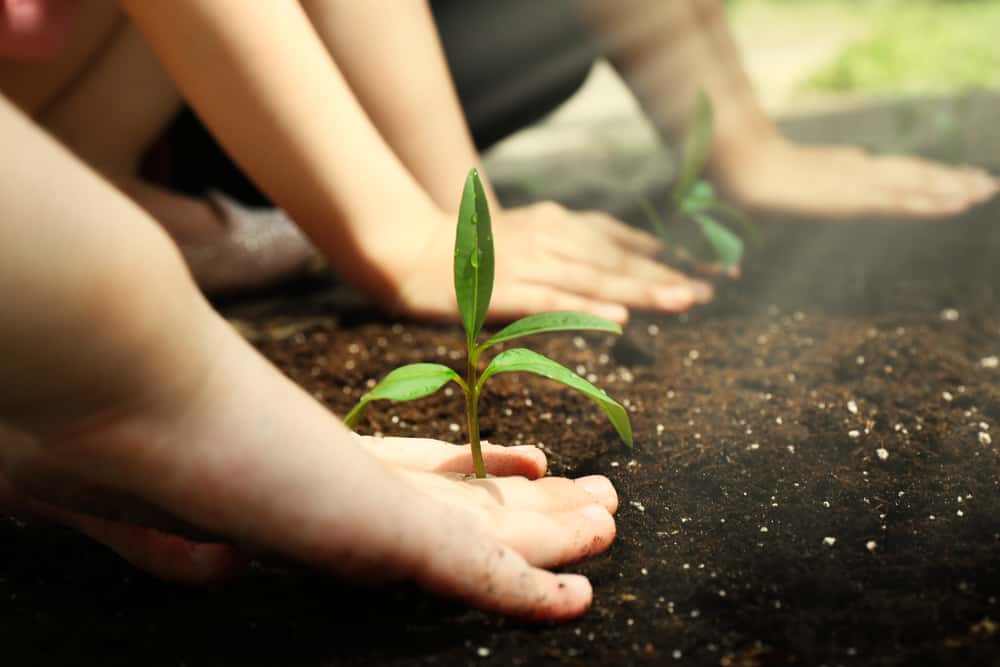
Grow vegetables your family eats
Start with vegetables that you are already buying and eating. Choosing to grow vegetables your family enjoys will give you the highest return over store-bought produce. Once you’re successful, try adding a new vegetable each year. You might be surprised that the home-grown version tastes better or that kids are more willing to try a food they picked from their back yard.
Water wisely
The best times to water your garden are early in the morning or later in the evening. Never water in the middle of the day when evaporation is higher; less water makes its way to your plants.
Another way to save money on your water bill is to capture rain water for use in your garden. You can buy a rain barrel at places like Home Depot or Walmart, but you can also make one for less money. Try these four DIY rain barrels.
Make your own compost from yard and food waste
You can be earth-friendly and good to your garden by taking up composting. You may need to purchase good soil to start your garden, but you should never need to buy compost or fertilizer once you’re making your own. You will need to invest in a good compost barrel to start, but that purchase will bring value, as you reuse rather than trash your food scraps and save money on your gardening bills.
If you want to acquire a compost bin on the cheap, look on your local neighborhood buy-and-sell or giveaway groups to see if anyone is ready to part with theirs.
Use cheap fencing
You might need to erect a fence to keep out critters such as deer, raccoons and rabbits — not to mention household pets and young children. For a cheap fence option, use inexpensive chicken wire attached to wood or metal stakes to protect your vegetables from being eaten by animals.
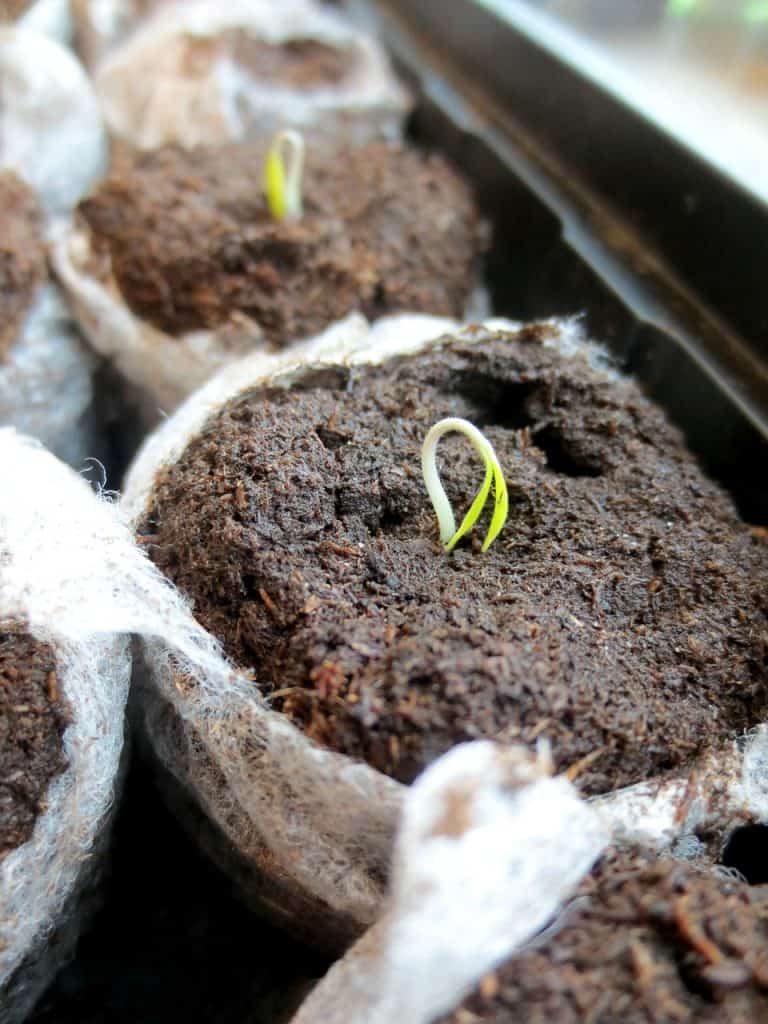
How to start seeds indoors
You can get a jump-start on your spring garden and save money by seeding veggies and flowers indoors. Essentially, you’ll start your garden early by growing seeds into seedlings in your house before transplanting them to your outdoor container or garden plot. If you can do this successfully, it’s the cheaper way to go because buying seedlings is much more expensive.
Here’s our step-by-step guide to starting your vegetable garden indoors:
- Find a container. You can plant seeds in just about any type of container, as long as it has drainage holes. You can use plant pots you saved from a prior season or cheap plastic containers from the grocery store that held produce items.
- Add soil. Fill each container with a light seed-starting soil mix that you’ve pre-moistened. Gently pat down the soil surface to make it even.
- Plant the seeds. Avoid seed mix-ups by planting each type of seed in a separate container. Sprinkle small seeds on the soil surface and cover with additional seed-starting mix in a layer the same thickness as each seed type. Light seeds require a very thin coating. Push larger seeds, such as squash, cucumber and pumpkin, below the soil surface to the same depth as the width of the seed and cover with soil.
- Label. Use a pencil to label craft sticks with the name of each plant and the date. Insert in the appropriate container.
- Moisten and cover. Mist the soil surface again with a spray bottle until it is thoroughly moistened. Cover the pots with a plastic lid, or use plastic wrap. Place the containers in a warm place.
- Maintain. Encourage seed sprouting by creating a humid environment. Keep the soil moist and the containers covered. Remove the lid or plastic when the seedlings emerge.
- Find the best light. Seedlings must receive adequate lighting. While a bright window may work, putting them under full-spectrum lighting is best. Such lighting can be found in tubes and bulbs. Place the light within two to three inches of the top of the plants.
- Water. Keep the young plants moist but not soggy. Too much moisture can lead to fungal pathogens that cause root rot, and too little water causes tender seedlings to quickly perish.
- Transplant. Once the seedlings have grown two sets of true leaves, they are ready to transplant outdoors in the garden, if the chance of frost has passed. When the weather is still too cold, pot up into containers and keep them indoors under lights. The plant should equal two-thirds of the plant/pot combination.
If you liked this article, you may also enjoy:
- How to save money with a rain garden
- Make the most of your garden’s harvest
- Conserve water, save money with a home garden xeriscape
- 5 easy, frugal steps to sustainable living
- Regrow your own green onions in your kitchen
- Great gifts under $25 for organic gardeners

Many people who need to “live on the cheap” live in apartments. You can grow food on a balcony or small patio, and even in Dollar Tree window boxes inside on your window ledges. I have grown small lettuces, green onions, basil, cherry tomatoes, and strawberries this way. I am getting into recycling my food scraps into compost using Bokashi buckets on my balcony.
In the Seattle area, Fred Meyer stores have an annual Saturday “Fuschia” sale where they will fill up your planters (even big ones–I bring the litter buckets I grow tomatoes and root veg in!) with FREE potting soil when you buy any plant; fuschias and strawberry plants are usually cheapest. I buy the strawberries. This gardening event is coming up, probably mid-April.
What great information! Thank you for sharing.